
Success can look simple from the outside. A strong company. Bigger projects. More opportunities. Better results. But for Craig Plescia, the real work happens behind those outcomes.
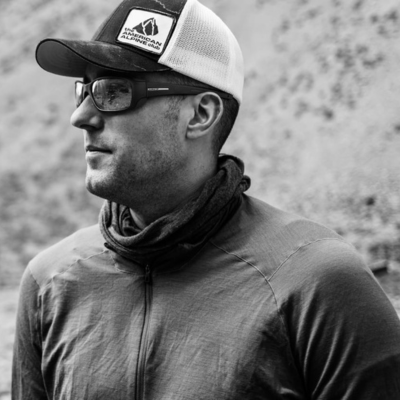
As the founder and CEO of Plescia Construction & Development, Craig has spent more than 20 years building a career in commercial construction and construction management. Along the way, he has dealt with the same challenges that shape many entrepreneurs: inconsistent deal flow, growing brand recognition, learning from costly mistakes, and figuring out how to build a business that does not depend on one person doing everything.
His approach to success is grounded in discipline rather than hype. He believes in setting clear targets, measuring what matters, building better systems, and improving through experience. That mindset has helped him grow as a business leader while continuing his education and taking on new challenges.
Craig graduated from the University of Rhode Island in 2004 and has continued his studies through Harvard Business School. He views education as an ongoing process, not something that ends with a degree. In business, he applies that same idea by learning from projects, other industry leaders, and the mistakes that inevitably come with growth.
Outside of work, Craig is drawn to activities that require preparation, focus, and calculated risk. His interests include mountaineering, rock climbing, flying, skydiving, and rugby. He also coaches youth rugby, giving him another way to share lessons about consistency, teamwork, and improvement.
For Craig, success is not only about revenue or professional milestones. It is about building something meaningful, performing at a high level, maintaining personal stability, and having greater control over how time is spent.
What does success look like to you?
Success is consistently hitting meaningful business and personal targets while maintaining control of my time and a high standard of execution. Revenue and growth matter, but they are only part of it.
Health, relationships, and stability matter too. I want the business to perform well without every decision depending on me. To me, that is a more sustainable form of success.
What were some of the biggest challenges you faced early in your career?
One of the biggest challenges was building recognition and creating a consistent flow of opportunities. In the early stages of a business, you are often doing several jobs at once. I was focused on projects, clients, operations, and business development at the same time.
Eventually, I realized that growth required more structure. We invested in SEO, advertising, and industry involvement. I also brought in dedicated business development support.
That helped stabilize the pipeline and gave me more time to focus on the areas where I could create the most value.
Was there a mistake that changed how you approach business?
Early on, we accepted a project that was not scoped or priced as carefully as it should have been. The project hurt our margins and created unnecessary pressure.
It was a useful lesson because it forced us to improve our process. We became stricter about project qualification. We created clearer scopes and became more disciplined with pricing.
Sometimes a difficult project can teach you more than an easy one. The important part is making sure you do not repeat the same mistake.
What qualities have contributed most to your career?
Consistency, credibility, and execution.
You have to consistently create opportunities. You have to build enough credibility that clients trust you. Then you have to execute at a high level once you earn the work.
A lot of people are strong in one of those areas. Building all three takes time. I think the ability to repeat good performance is more valuable than having one great year or one successful project.
How do you set goals and measure progress?
I start with long-term targets and then break them down into weekly priorities. Those priorities usually connect to revenue, relationships, projects, and execution.
I also pay attention to measurable information. Pipeline activity tells me whether future opportunities are developing. Project metrics show whether current work is moving in the right direction.
I do not believe in setting a goal and then ignoring it for six months. You have to check your progress, make adjustments, and stay focused on the actions that actually produce results.
How do you stay focused when something is not going well?
I focus on what I can control.
Large problems can become overwhelming if you look at everything at once. I prefer to break the problem into smaller actions and deal with them in order.
I also rely more on routine than motivation. Motivation changes from day to day. A good routine keeps you moving even when you are tired, frustrated, or unsure about the outcome.
Execution creates momentum, and momentum makes the next step easier.
How has education influenced the way you think about success?
I graduated from the University of Rhode Island in 2004, but I have never viewed education as something that ends after college. Continuing my studies through Harvard Business School has reinforced that idea.
Business constantly gives you new problems to solve. The more you learn, the more tools you have for solving them.
I also learn from other business owners and people in the construction industry. Seeing what other people have achieved can expand your idea of what is possible and challenge you to raise your own standards.
Do your interests outside of work affect how you approach business?
Definitely. I enjoy mountaineering, rock climbing, flying, skydiving, and rugby. Those activities require preparation, focus, and respect for risk.
You cannot control every condition on a mountain, just like you cannot control every unexpected issue on a construction project. You can control how well you prepare and how you respond.
Coaching youth rugby has reinforced that too. Improvement usually comes from doing the fundamentals well over and over again, not constantly searching for shortcuts.
How do you keep growing after reaching a certain level of success?
I try to keep raising the bar.
It is easy to become comfortable once things are going well, but comfort can slow down growth. I like being around people who challenge my thinking and push my standards higher.
I also look for bigger challenges instead of simply repeating what I already know I can do. Growth usually happens when you are slightly uncomfortable and forced to improve.
Has your definition of success changed over time?
Yes. Earlier in my career, professional outcomes carried more weight. Today, I still care deeply about business performance, but I also understand that personal stability makes professional success sustainable.
I want to keep building, improving, and taking on bigger challenges. At the same time, success should give you greater control over your life rather than less.
For me, the goal is to produce strong results, maintain high standards, and build a life that is sustainable enough to keep doing both over the long term.